
The Gut-Brain Axis: How Your Microbiome Affects Your Mood and Mental Health
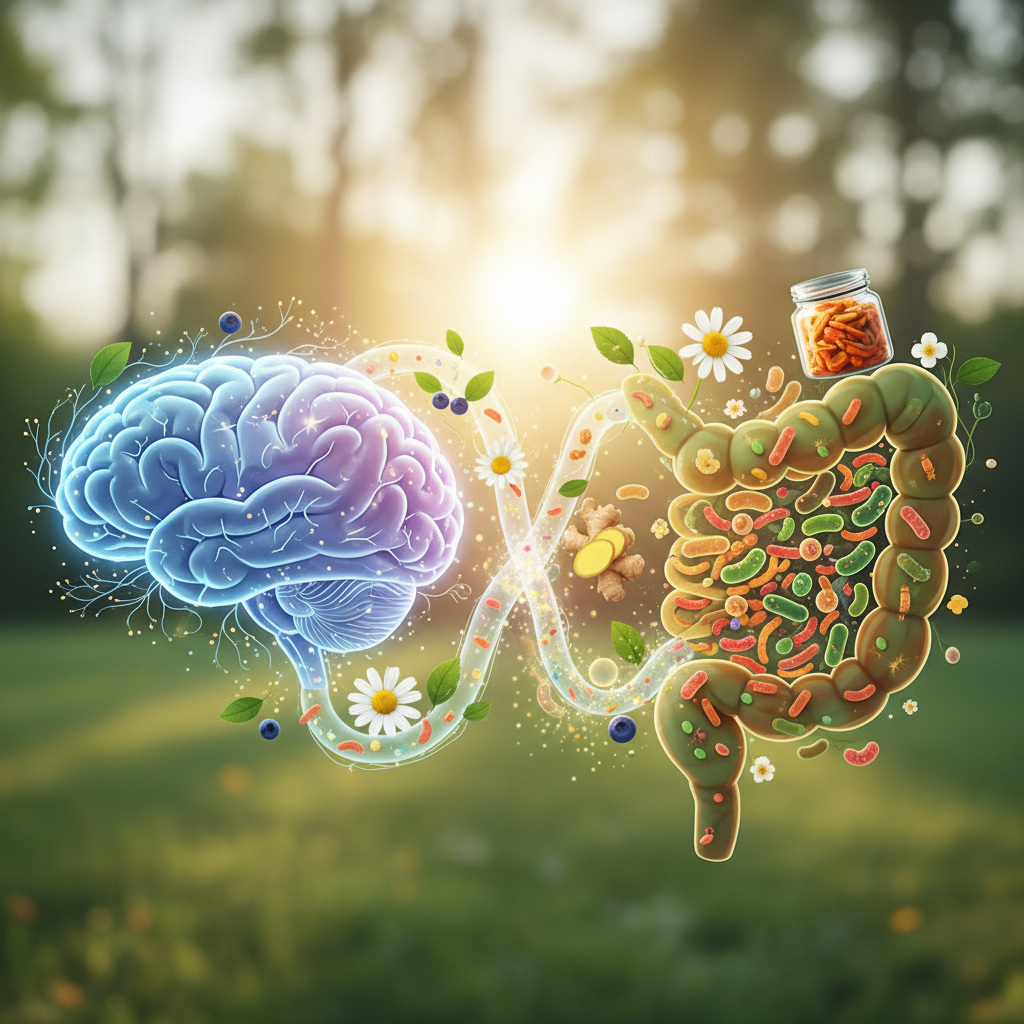
Understanding the Gut-Brain Connection
Your gut and brain are in constant communication through a sophisticated network known as the gut-brain axis. This two-way connection means that what happens in your digestive system directly influences your mood, anxiety levels, and overall mental well-being. Scientists have discovered that your gut microbiome—the trillions of bacteria living in your intestines—plays a crucial role in producing neurotransmitters like serotonin and dopamine, the very chemicals responsible for happiness and motivation.
The vagus nerve serves as the main highway for this communication, transmitting signals between your gut and brain. When your microbiome is balanced and thriving, this conversation flows smoothly. However, an imbalanced microbiome (dysbiosis) can disrupt this connection, potentially contributing to mood disorders, anxiety, and depression.
How Your Microbiome Influences Mental Health
Research reveals that approximately 90% of your body's serotonin is produced in the gut, not the brain. This single fact underscores why your microbiome composition matters so much for your emotional state. A healthy microbiome produces beneficial compounds called short-chain fatty acids (SCFAs) that:
- Regulate neurotransmitter production
- Reduce inflammation in the brain
- Support the integrity of the blood-brain barrier
- Enhance cognitive function and mental clarity
- Promote emotional resilience
When harmful bacteria outnumber beneficial ones, the opposite occurs. These pathogenic bacteria produce harmful substances that compromise your intestinal lining, leading to increased intestinal permeability—often called "leaky gut." This condition allows toxins to enter your bloodstream and cross the blood-brain barrier, triggering inflammation and mood disturbances.
Plant-Based Solutions for Microbiome Health
Fermented Foods and Probiotics
Nature provides powerful allies for cultivating a thriving microbiome. Fermented plant-based foods like sauerkraut, kimchi, miso, and kombucha introduce beneficial bacteria directly into your digestive system. These living foods support microbial diversity, which is a key indicator of gut health.
Prebiotic-Rich Botanicals
Prebiotics feed your beneficial bacteria, helping them flourish. Botanical sources include:
- Chicory root – rich in inulin, a powerful prebiotic fiber
- Dandelion root – supports digestive health and beneficial bacteria growth
- Garlic and onions – contain fructooligosaccharides (FOS) that nourish good bacteria
- Asparagus – provides both prebiotic fiber and beneficial compounds
Calming Herbs for Gut and Mind
Several medicinal plants support both microbiome health and emotional balance:
- Ginger – reduces inflammation and supports digestive comfort
- Turmeric – contains curcumin, which protects the gut lining and has mood-supporting properties
- Chamomile – soothes the digestive system while promoting relaxation
- Licorice root – heals the intestinal lining and supports healthy inflammation responses
- Peppermint – aids digestion and can help ease anxiety-related stomach tension
Practical Steps to Support Your Gut-Brain Axis
Empowering your microbiome doesn't require drastic changes. Start with these evidence-based practices:
- Increase dietary fiber – aim for 30+ grams daily from whole grains, vegetables, and fruits
- Incorporate diverse plants – eat the rainbow to support microbial diversity
- Reduce processed foods – ultra-processed items harm beneficial bacteria
- Include fermented foods daily – even a small spoonful provides probiotics
- Stay hydrated – water supports nutrient absorption and toxin elimination
- Manage stress – chronic stress disrupts your microbiome; practice meditation or herbal relaxation tea
- Prioritize sleep – your gut microbiome follows a circadian rhythm
The Path Forward
The gut-brain axis represents one of the most exciting frontiers in natural wellness. By nurturing your microbiome through plant-based nutrition and herbal remedies, you're not simply supporting digestion—you're investing in emotional resilience, mental clarity, and lasting well-being. Remember, healing takes time. Be patient with your body as it rebalances, and consider consulting with a healthcare provider before introducing new botanical remedies, especially if you're taking medications.
Your gut deserves the same care you'd give your heart or mind. When you nourish your microbiome, you nourish your whole self.