
Natural Anti-Inflammatories That Actually Work: Science-Backed Plant Remedies
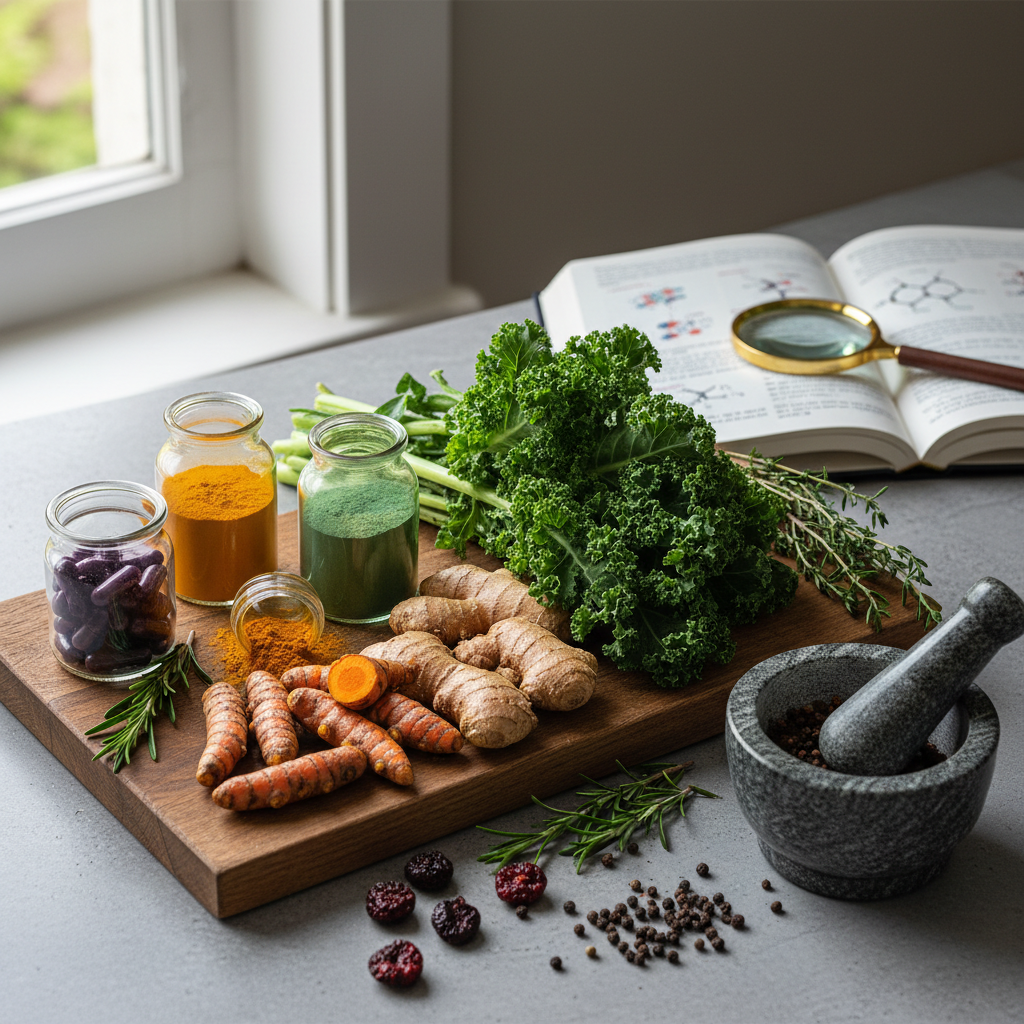
Natural Anti-Inflammatories That Actually Work
Inflammation is your body's natural response to injury and stress, but chronic inflammation can lead to serious health issues. While conventional anti-inflammatory medications have their place, many people are discovering that nature offers powerful alternatives. The good news? Science is backing up what traditional healers have known for centuries.
Why Choose Natural Anti-Inflammatories?
Natural plant-based remedies offer several advantages over synthetic options. They typically work with your body's systems rather than against them, often with fewer side effects. More importantly, many have been studied extensively and show remarkable efficacy in reducing inflammation at the cellular level.
The Most Effective Plant-Based Anti-Inflammatories
Turmeric and Curcumin
Turmeric's active compound, curcumin, is one of nature's most powerful anti-inflammatory agents. Research published in medical journals demonstrates that curcumin can be as effective as some pharmaceutical anti-inflammatories, without the gastric side effects. The key is bioavailability—pairing turmeric with black pepper increases absorption by up to 2000%.
Ginger
This warming root contains gingerols and shogaols, compounds that inhibit inflammatory molecules in your body. Ginger works particularly well for joint pain and digestive inflammation. You can consume it fresh, as a tea, or in supplements. Studies show benefits appear within 3-4 weeks of consistent use.
Boswellia (Frankincense)
Used in Ayurvedic medicine for thousands of years, Boswellia serrata contains boswellic acids that specifically target inflammatory pathways. Research indicates it's particularly effective for joint health and may help preserve cartilage integrity.
Omega-3 Rich Plants
Flaxseeds, chia seeds, and hemp seeds contain alpha-linolenic acid, a plant-based omega-3 that reduces inflammatory markers in the bloodstream. Ground flax is more bioavailable than whole seeds, and just 2-3 tablespoons daily can show measurable benefits.
Quercetin-Rich Plants
Quercetin is a natural flavonoid found in abundance in red onions, berries, and green tea. It works by stabilizing mast cells and reducing histamine release, making it excellent for inflammatory conditions triggered by allergies.
Willow Bark
Sometimes called "nature's aspirin," white willow bark contains salicin, which your body converts to salicylic acid. Unlike aspirin, it's gentler on the stomach and works more gradually but sustainably.
Rosemary and Sage
These culinary herbs contain carnosic acid and rosmarinic acid—potent anti-inflammatory compounds. Brewing them as a tea or using them generously in cooking provides both flavor and therapeutic benefit.
How to Use These Remedies Effectively
- Consistency matters: Natural remedies typically require 2-4 weeks of regular use to show significant results
- Combine strategically: Using complementary herbs often produces better results than single remedies
- Quality counts: Choose certified organic, third-party tested products for potency and purity
- Support with lifestyle: Pair herbal remedies with anti-inflammatory foods, exercise, and stress management
Creating Your Anti-Inflammatory Protocol
The most effective approach combines multiple strategies. Consider starting with turmeric and ginger as your foundation—they're well-researched, widely available, and work synergistically. Add omega-3 rich seeds to smoothies or salads, incorporate quercetin-rich berries and greens into meals, and enjoy herbal teas with rosemary and sage.
Important Considerations
While natural doesn't automatically mean risk-free, plant-based anti-inflammatories have excellent safety profiles. However, some may interact with medications, particularly blood thinners. Always consult with a healthcare provider before starting new supplements, especially if you're pregnant, nursing, or taking prescription medications.
The Bottom Line
Nature has provided us with remarkable anti-inflammatory tools that are both effective and gentle. By understanding which plants work best and using them consistently, you can take meaningful control of inflammation naturally. Start with one or two remedies that resonate with you, observe the results, and build from there. Your body will thank you for choosing the path of botanical wellness.