
Natural Anti-Inflammatories That Actually Work
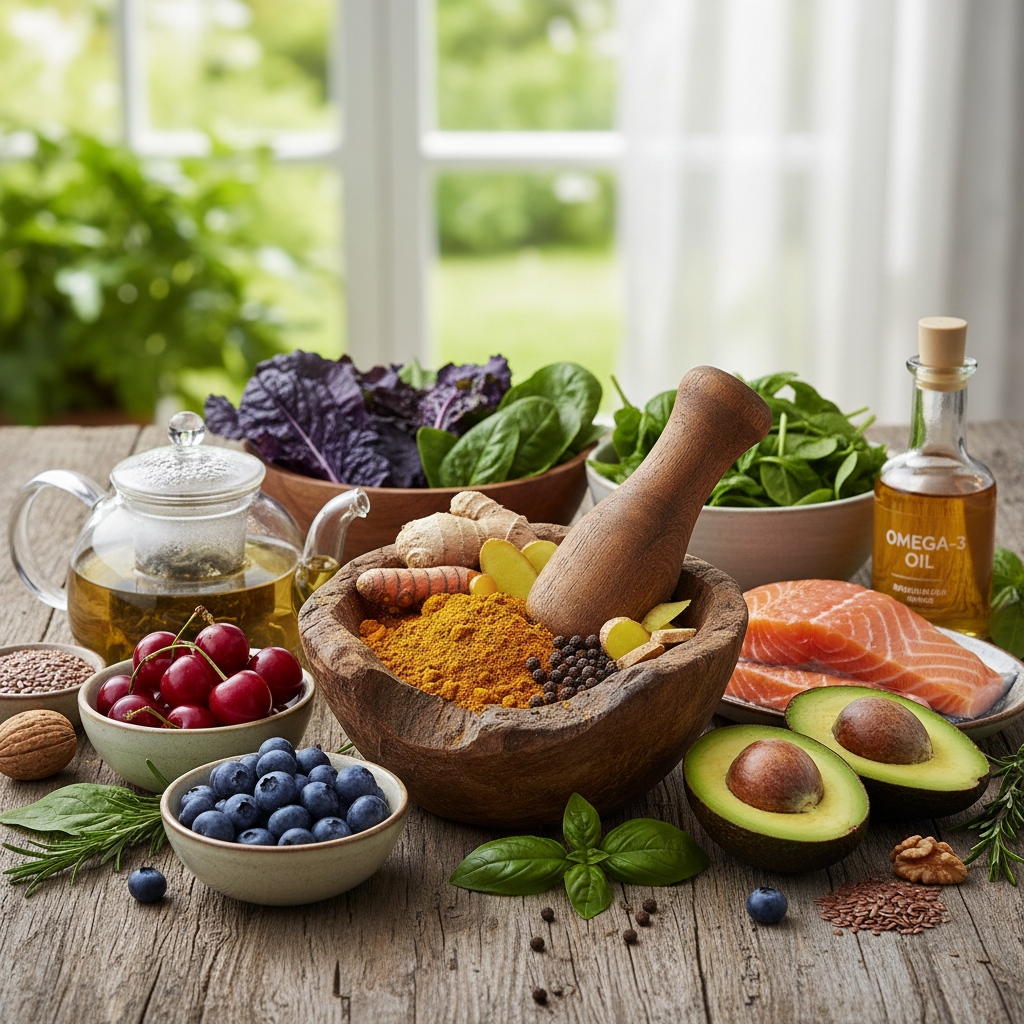
The Science of Inflammation — and Why It Matters
Inflammation is your body's first line of defence. Short-term (acute) inflammation is protective — it heals wounds and fights infection. But chronic low-grade inflammation is a different story. It's now linked to a wide range of conditions, from arthritis and cardiovascular disease to depression and metabolic disorders.
The good news? Several plant-based compounds have strong scientific evidence behind them as natural anti-inflammatories. Here's what the research actually supports.
Turmeric (Curcumin)
Curcumin, the active compound in turmeric, is one of the most studied natural anti-inflammatories on the planet. It works by inhibiting NF-κB — a key molecular pathway that drives inflammation. Dozens of human trials have shown benefits for joint pain, inflammatory bowel conditions, and general inflammatory markers (CRP).
Important: Curcumin has poor bioavailability on its own. Take it with black pepper extract (piperine), which increases absorption by up to 2,000%, or choose a liposomal formulation.
Omega-3 Fatty Acids
EPA and DHA — found in fatty fish and quality fish oil or algae supplements — are among the most evidence-backed natural anti-inflammatories. They modulate the production of prostaglandins and leukotrienes, chemicals that promote inflammation. Meta-analyses consistently show omega-3s reduce inflammatory markers, morning stiffness in rheumatoid arthritis, and cardiovascular inflammation risk.
Boswellia (Indian Frankincense)
Boswellia serrata extract is a potent 5-LOX inhibitor — targeting a specific inflammatory enzyme pathway involved in joint and gut inflammation. Clinical trials show it significantly reduces osteoarthritis pain and improves mobility within 4–8 weeks. It's one of the few botanicals that can produce noticeable results in a short timeframe.
CBD (Cannabidiol)
CBD interacts with the endocannabinoid system and has demonstrated anti-inflammatory properties in preclinical studies. Human research is still developing, but observational data and user reports consistently highlight its value for chronic inflammation, particularly in joints and the nervous system. Full-spectrum products — which include minor cannabinoids and terpenes — appear to have greater effect than isolates.
Ginger
Fresh ginger and its standardised extract (gingerols and shogaols) inhibit both COX and LOX inflammatory pathways, similar in mechanism to NSAIDs but without gastrointestinal side effects at normal doses. It's well-tolerated and easy to incorporate into daily life — as a tea, tincture, or standardised capsule.
Magnesium
Often overlooked as an anti-inflammatory, magnesium deficiency is strongly associated with elevated CRP and other inflammatory markers. Supplementing magnesium (glycinate or malate forms are best absorbed) has been shown to reduce systemic inflammation — particularly relevant for people under chronic stress, which depletes magnesium rapidly.
Practical Takeaway
No single supplement fixes inflammation — the most effective approach is combining proven botanicals with an anti-inflammatory diet (Mediterranean-style, low in refined sugars and seed oils) and stress management. Start with the compounds most relevant to your situation, buy quality-tested products, and give them at least 4–6 weeks before judging results.